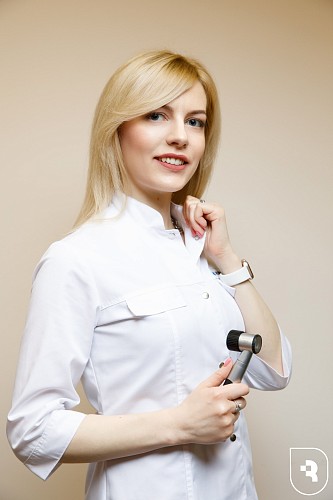
The doctor of SSMU told what threatens the independent removal of moles and papillomas
23 January 2026
Marketplaces are flooded with devices that promise to get rid of a wide range of skin problems — from the usual papillomas and moles to complex cases like acne and even tattoos. Anna Epifanova, a dermatovenerologist at the Razumovsky State Medical University of the Ministry of Health of the Russian Federation, shared the dangers of such devices and the necessary actions in case of neoplasms.
According to the expert, if existing moles have changed on the skin or new ones have appeared and it seems that there is a need for removal, then the only correct solution is to consult a dermatologist. A qualified specialist will help to determine the cause of such changes on the skin.
If a person independently tries to interfere with the structure of tissues in order to remove moles or papillomas, there is a high probability of inaccuracy in determining the depth of exposure, as well as the use of unprofessional devices significantly increases the risk of damage to healthy skin, the formation of visible scars and pronounced cosmetic defects. In addition, skin injury, bacterial penetration, and improper antiseptic treatment can lead to inflammation and infections.
Removal of viral formations can contribute to the spread of these elements to other areas of the skin.
"By removing an ordinary mole, you may not completely remove a deadly tumor on the skin - melanoma. Such an independent attempt at removal without diagnosis can contribute to the development of the tumor process. Such procedures may be performed only by qualified specialists using professional equipment.",- said Anna Epifanova.
If necessary, a dermatoscopy is performed to determine if the neoplasm is malignant. This is a non-invasive, completely painless diagnostic method, which examines the skin area under high magnification and determines the structure.
The expert from Saratov Medical University also drew attention to the fact that a specialist sends a patient to an oncologist to clarify the diagnosis, if signs of a malignant neoplasm are found, in which case a biopsy may be required to obtain tissue samples for histological examination.
According to the expert, if existing moles have changed on the skin or new ones have appeared and it seems that there is a need for removal, then the only correct solution is to consult a dermatologist. A qualified specialist will help to determine the cause of such changes on the skin.
If a person independently tries to interfere with the structure of tissues in order to remove moles or papillomas, there is a high probability of inaccuracy in determining the depth of exposure, as well as the use of unprofessional devices significantly increases the risk of damage to healthy skin, the formation of visible scars and pronounced cosmetic defects. In addition, skin injury, bacterial penetration, and improper antiseptic treatment can lead to inflammation and infections.
Removal of viral formations can contribute to the spread of these elements to other areas of the skin.
"By removing an ordinary mole, you may not completely remove a deadly tumor on the skin - melanoma. Such an independent attempt at removal without diagnosis can contribute to the development of the tumor process. Such procedures may be performed only by qualified specialists using professional equipment.",- said Anna Epifanova.
If necessary, a dermatoscopy is performed to determine if the neoplasm is malignant. This is a non-invasive, completely painless diagnostic method, which examines the skin area under high magnification and determines the structure.
The expert from Saratov Medical University also drew attention to the fact that a specialist sends a patient to an oncologist to clarify the diagnosis, if signs of a malignant neoplasm are found, in which case a biopsy may be required to obtain tissue samples for histological examination.